
 Log In
 Register


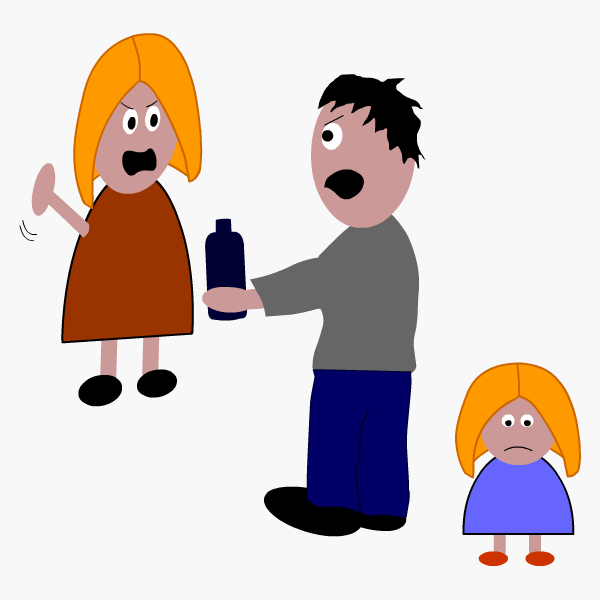
Alcohol addiction has a devastating effect on the personal lives of the addict and their family and friends. Nobody escapes unscathed when there is an alcoholic in the family, and the ease with which alcohol is available and socially acceptable only adds to the problem. So what is the impact of alcoholism on families?
Alcohol is a big part of many people’s lives and there are a never-ending number of reasons to have a drink — the birth of a baby, christenings, engagement parties, weddings, hen parties/stag dos, birthdays — are all excellent excuses for an alcohol-fuelled knees-up! It is also easy to buy alcohol from a variety of outlets, not just bars and off licences, but from corner shops, supermarkets and petrol stations, to name a few.
Issues Resulting from Alcoholism
Reliance on alcohol causes many personal and relationship issues. Alcoholics often find it difficult to develop emotionally because they use alcohol as a crutch. Family rows and marriage problems are inevitable when these problems are not tackled.
Alcoholism also increases the risk for domestic abuse which can lead to emotional, verbal or physical exploitation. Over half of all cases of domestic violence involve alcohol, so it is a significant problem.
Of course, alcoholics also suffer from physical and mental health conditions including depression, liver disease and digestive problems.
How Alcoholism Affects Families
Alcoholism can affect families in many adverse ways, including:
- Financial strain
- Trust issues
- Emotional problems
- Negative influence and impact on children
As with many addictive substances, alcohol is expensive and a person addicted to alcohol will put considerable strain on family finances. This in turn can lead to lost days at work, unemployment and unpaid bills. Financial strain will produce high stress levels, putting added pressure on the wellbeing of the family.
Alcoholics tend to lie about drinking including the amount they are drinking or whether they are drunk at all — even if it is blindingly obvious. This creates a lack of trust and an atmosphere of suspicion. Family members are unable to believe the alcoholic when they swear they haven’t been drinking. Alcoholics are invariably unreliable because they cannot control their drinking habits leading to damaged relationships and an uncomfortable atmosphere in the home.
The most distressing effect of alcohol on families is the effect on children. When a parent has an alcohol problem, their children are more likely to have academic problems at school as well as emotional disorders including anxiety and stress.
Overall, alcohol has a disruptive effect on normal family routines such as mealtimes and bedtimes and the entire family can be in total disarray. Children of parents who abuse alcohol are also four times more likely to develop a problem with alcohol themselves.
A comprehensive approach is needed to deal with alcoholism in the family which should include treatment for the alcoholic parent as well as help for the partner and children and any other family and friends who have been affected by the addict’s behaviour. This is the only way the problem can be effectively tackled to ensure each individual gets the help they need and deserve.
Alcohol Abuse Lesson Plans
Problems with Alcohol
This lesson plan uses role play to examine some of the problems alcohol can cause among young people.
- Age range: 12 years and upwards
- Category: Schools
- Published: 2022
- Pages: 18