
 Log In
 Register


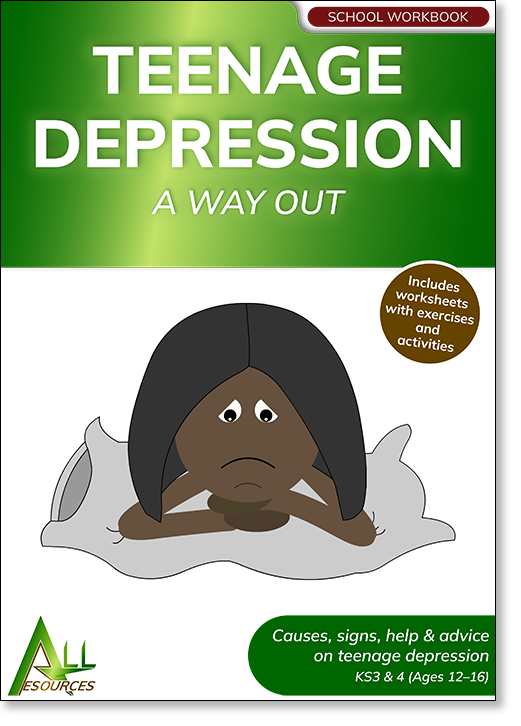
Teenage Depression — A Way Out
Tackles the issue of depression including causes and signs that parents and teachers can look out for.
- Age range: 12 years and upwards
- Category: Schools
- Published: 1999
- Last revised: 2022
- Pages: 87

Price: £10.99 Now: £5.49
Depression Lesson Plans
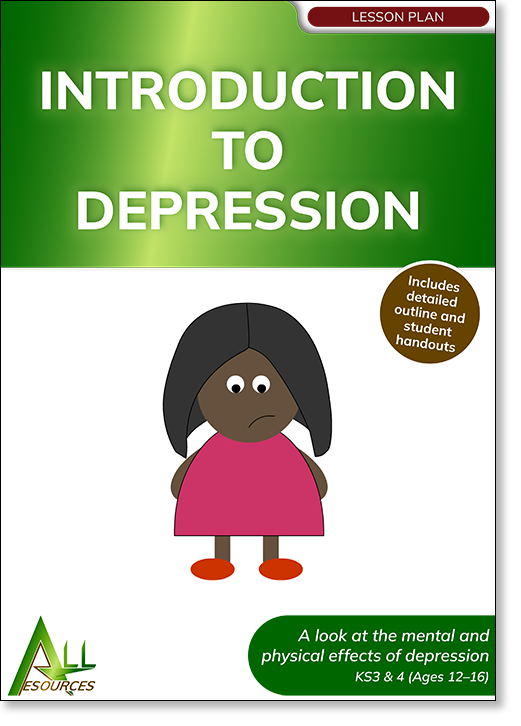
Introduction to Depression
This lesson plan introduces depression and the way it affects us physically and mentally.
- Age range: 12 years and upwards
- Category: Schools
- Published: 2022
- Pages: 14
Price: £2.99 Now: £1.49
What is Depression?
What is depression? Why do some people get depressed? Can you recover from depression?
Depression can affect anyone at any time. Sometimes the feelings of sadness and despair can get worse and may leave an individual feeling confused, helpless and anxious. Many are feeling depressed because of the current cost of living crisis.
There are different levels of depression and although many people who are depressed get better without medical intervention, a depressive illness can hit so severely that life no longer has any meaning. In such cases it is important to seek medical attention.
Ordinary periods of sadness come and go, but depression is more serious than simply being ‘out of sorts’. There are no miracle cures for depression, but there are things we can all do to maintain a positive mental health. It is easier to get out of depression if we understand it.
Our aim is to provide resources and support for people suffering with depression.
Types of Depression
There are different types of depression that people suffer from. The most common are listed below.
Endogenous Depression
Endogenous depression occurs for no obvious reason. It is not caused by a traumatic event or a period of extreme stress — it seems to come from ‘within’ a person and may be due to body chemistry. It could also be due to an incident in childhood, a bereavement or another unresolved trauma.
Exogenous Depression (‘Reactive Depression’)
Exogenous depression usually occurs after a traumatic incident or stressful event. It can be caused by the death of a loved one, a serious illness such as cancer, or some other life-changing event.
Bipolar Disorder
Bipolar disorder, formerly known as manic depression, is characterised by extreme mood swings — rom high (manic) mood to low (depressed) mood. An individual has periods where they feel happy followed by periods of depression. Someone with bipolar disorder should seek help from their GP.
Seasonal Depression (SAD — ‘Seasonal Affective Disorder’)
This type of depression is linked to the seasons, with the most common type occurring in the dark winter months. As the winter begins, people with SAD start to feel hopeless and despairing. Some people suffer from summer SAD and are adversely affected by the long summer days.
Postnatal Depression (‘Postpartum Depression’/‘Perinatal Depression’)
Postnatal depression occurs after childbirth, although it can also occur during pregnancy. It is caused by hormonal changes during pregnancy and these can trigger chemical changes in the brain. This can lead to mood swings and depression.
Major Depression (‘Major Depressive Disorder’)
People with major depression experience severe feelings of despair and despondency. Nothing gives them any joy and they have no interest in normal daily activities. They lack energy, find it hard to concentrate, have difficulty sleeping and are plagued by feelings of hopelessness and worthlessness. This type of depression usually requires medical intervention.
Depression Symptoms
The most common symptoms of all types of depression include:
- Feeling sad
- Lack of appetite or overeating
- Difficulty sleeping or sleeping too much
- Lack of energy
- Emotional distress
- Inability to concentrate
- Lack of interest in things you used to enjoy
- Social isolation
- Withdrawal from family and friends
- Feeling worthless or hopeless
- Constantly worried or anxious
If feelings of depression worsen, or if an individual starts to think about self-harming or suicide, it is vital that medical help is sought as soon as possible.
Dealing with Depression
Depression is an illness that can be treated with medication as well as with natural countermeasures. People suffering with severe depression should always seek professional medical help — a GP can refer their patients to mental health experts for various mental illnesses.
Treatments and therapies for depression include:
- Counselling and CBT.
- Medication — It is extremely important to only take prescribed medicines from a medical professional.
- Productive distractions — Enrolling on a course or joining a club can provide life skill benefits, while taking your mind off current grief or sadness. You will also be able to connect with people that share your own interests.
- Exercise — Physical activity releases chemical endorphins, which are hormones your body produces that alleviate pain, stress and anxiety. You will also keep fit at the same time as being mentally occupied.
- Avoid alcohol and other substances. Alcohol is a depressant and can make you feel worse in the long-run. Drugs might provide euphoria but it is only short-lived and your depression will still be present after any ‘highs’ you feel.
- Try to be social. Replacing self-isolation with socialising isn’t easy when you are feeling depressed, but loneliness can intensify depression. Ask a friend or family member to visit you if you are finding it difficult to venture outside your home.
Free Depression Resources
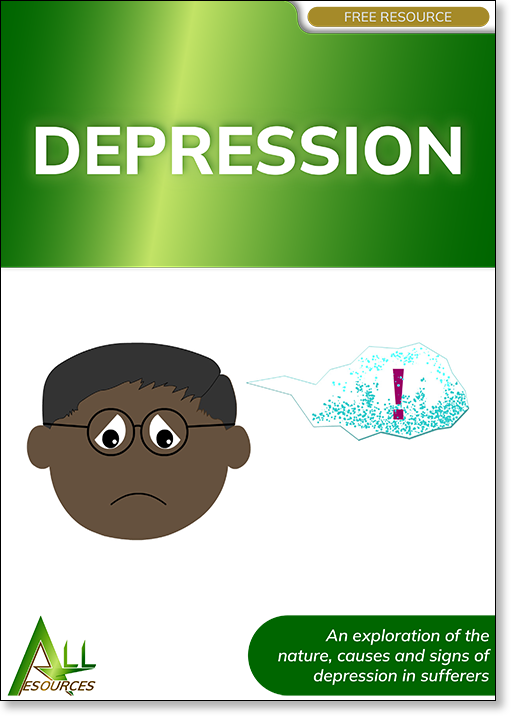
Depression
How can someone tell if they are suffering with depression? This free resource seeks to find out.
- Category: Schools
- Pages: 8
Free Download
Christian Notes
Dealing with depression — For christians, your spirituality is important to take care of and your mental health is directly linked to your faith. Deliverance from any mental torment starts with prayer. Ask the Lord for peace.