 Log In
 Register


Personal Safety in Cyberspace
This pack looks at the dangers of online grooming, malicious software, webcams, cyberbullying and scams.
- Age range: 12 years and upwards
- Category: Schools
- Published: 1999
- Last revised: 2023
- Pages: 73
Internet Safety Lesson Plans
Phishing Scams
A lesson plan on phishing and the different types of phishing scams used online.
- Age range: 12 years and upwards
- Category: Schools
- Published: 2021
- Last revised: 2022
- Pages: 15
Safety in Cyberspace
This lesson plan examines the dangers of the internet and how to stay safe on the web.
- Age range: 12 years and upwards
- Category: Schools
- Published: 2019
- Last revised: 2022
- Pages: 14
We live in an information age of mass communication methods and technology. From computers to mobile phones, text messaging to social networks, we all use a variety of devices to access this information and communicate with others.
It is difficult to remember a time before the Internet. It is one of the greatest inventions of modern times and it is hard to imagine a world without this information superhighway. The way we receive our news and keep in touch with family and friends is greatly influenced by the role the Internet plays in our lives.
The Internet is also vital in the world of business, commerce and entertainment. While this medium of communicating is immensely useful, there are many dangers lurking online.
What is Internet Safety?
The online world has many dangers just like the offline world, and we need to be aware of the types of cybercrime and harmful activity that exist online. This includes online fraud, cyberbullying and ID theft. Everyone should take steps to safeguard themselves from these dangers.
Internet Dangers
Some of the problems and dangers that exist on the Internet include:
- Internet Grooming — when someone uses lies and deceit to build an emotional relationship with another person online.
- Malware — malicious software such as computer viruses, Trojans and worms.
- Spyware — programs that spy on your movements when online.
- Ransomware — software that takes control of a person’s data or personal information and holds it hostage with the intention of receiving a ransom. It is common for offenders to request payment using cryptocurrency in order to hide their tracks and location.
- Adware — this kind of malware displays advertisements, usually pop-up ads. This can happen during installation of infected programs or, if acting as spyware, will display ads after tracking the user’s online movements and activity.
- Website hacking and hijacking — taking control of a website.
- Online scams — fake opportunities or deals run by criminals posing as legitimate people or businesses for financial gain.
- Phishing — fraudulent attempts to steal personal information.
- Spam email — unwanted, nuisance email — usually trying to sell something.
Cyberbullying
Young people are particularly susceptible to cyberbullying — bullying via any technological means such as social media, chat rooms, emails, text messages etc.
Cyberbullying includes name-calling, insults and taunts right through to physical assaults, which are uploaded to websites and apps. Cyberbullies will often use fake profiles to escape detection. All incidents of cyberbullying should be reported and dealt with firmly and swiftly, as with offline bullying.
Free Internet Safety Resources
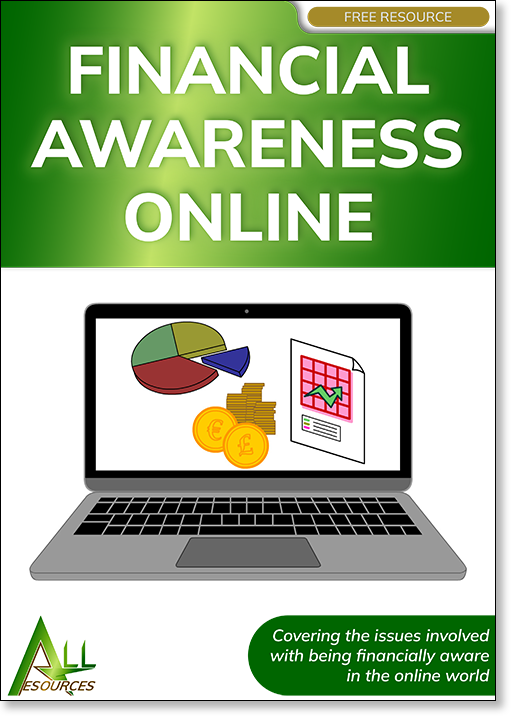
Financial Awareness Online
Being financially aware online is important. This free resource covers the issues. Our resource pack Making Sense of Finance goes into more detail about how to manage money as well as how to keep your finances secure online.
- Category: Schools
- Pages: 6
Free Download

Putting Our Photographs Online
Uploading our images can land us into all sorts of problems. Who owns them once they're online? Can they be protected? This free resource covers these questions.
- Category: Schools
- Pages: 6
Free Download