
 Log In
 Register


‘The Business of Drugs’ — episode 1 deals with cocaine addiction. The presenter of this series is a former CIA analyst, Amaryllis Fox. Her research and investigation into the war on drugs delves into the economics of the drugs business and what drives it forward.
This episode does not cover related themes such as cocaine addiction and treatment, cocaine abuse or examining the lives of cocaine addicts. Instead it focuses on the demand and supply of cocaine.
Physical Effects of Cocaine
When a user takes cocaine the drug triggers a dopamine rush which results in a euphoric high. The effect of cocaine on the brain can never be fully replicated, hence the reason a user will take more and more cocaine in order to try and obtain the original high and energy boost.
Records from 2017 show that there were an estimated 18.1 million global users of cocaine. One amazing point about cocaine is that, although the demand is increasing year on year, the price of cocaine has remained incredibly stable.
Cocaine Production
Columbia has historically been the largest supplier of cocaine since the 1980s with a monopoly on cocaine supply throughout the world. About 82,000 Columbian families rely on coca farming for survival. This is the only way these families can keep a roof over their heads and food on the table.
Amaryllis Fox visited factories and coca production farms in the Columbian mountains and met families who had no other way to support themselves other than working for the cartels to produce cocaine.
The farmers explained that growing bananas or coffee wasn’t feasible as these crops take too long to harvest and have too many overheads. The demand for cocaine is the main reason that they are forced to keep growing and harvesting coca in order to make any kind of living.
Cocaine Distribution
Cocaine inevitably ends up on the streets of many cities throughout the world. The primary drug dealer featured from Los Angeles was interviewed and claimed he could double or even triple his profits reselling cocaine on the streets.
The lengths that drug smugglers will go to in order to transport cocaine out of Columbia and into the USA highlights how lucrative cocaine has become globally. The Columbian government and army have clamped down on the movement of cocaine from Columbia in recent years. To fill the void, the Mexican cartels have taken the lead in the distribution process.
The sale and redistribution of cocaine is a well organised pyramid structure with the cartels and drug lords at the apex. The pyramid then filters down to each level on the pyramid, with the end-users and addicts at the bottom.
These cartels rule by terror and violence, and the increasing gang-related deaths in Mexico over the last decade is proof that the cocaine business has become increasingly dangerous and deadly.
Sadly, this episode highlighted the fact that the end-users of cocaine don’t care about the murders and kidnappings associated with the cocaine business. Cocaine is highly addictive and cocaine users are, in the words of the presenter, “funding a chain of human suffering with their choice”.
Coming next, episode 2 — ‘The Business of Drugs: Synthetics’.
Drug Addiction Resources
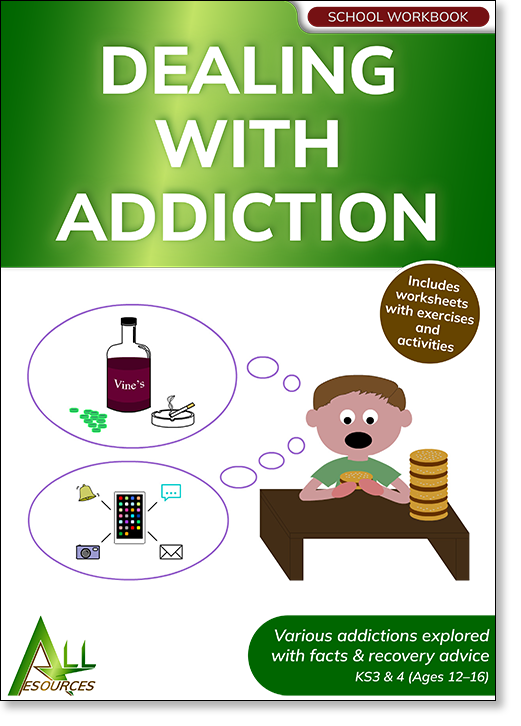
Dealing with Addiction
Providing the facts about substance abuse, gambling, gaming & other psychological addictions. Addresses ways to help people recover from addiction.
- Age range: 12 years and upwards
- Category: Schools
- Published: 1999
- Last revised: 2021
- Pages: 83