
 Log In
 Register


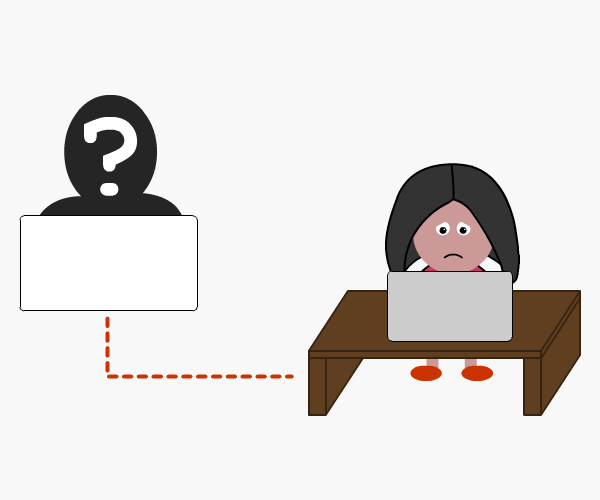
In our technology-driven world, cyberbullying is fast becoming the bullying method of choice.
How, Where and Who?
Cyberbullying takes place via text messages, emails, instant messages, online forums, chat rooms, social media etc. Because of the anonymous nature of this type of bullying, it can be difficult to trace the people responsible.
Cyberbullying can take place in the workplace as well as school and it is becoming increasingly common within the teaching profession. There have been a number of reported cases where abusive messages have been spread by email and social networks. According to the NASUWT, one in four teachers have experienced cyberbullying and it has a serious affect on their health and wellbeing.
Measures to Prevent Cyberbullying
There are a number of steps that can be taken to protect against cyberbullying. One way is to ensure you only engage with adequately moderated forums and comment sections where abusive speech and aggression are not tolerated. However, the huge volume of texts and messages sent via social media and other smart phone apps,makes it impossible to monitor fully.
Online Behaviour
It is important to provide clear guidelines on internet etiquette (netiquette) to all users of technology. Young people in particular need to understand the correct ways to interact while online or while texting. In fact, we would all find it useful to think about the following:
- If you were face to face with the person you are texting/messaging, would you use the same words/phrases?
- Would you be happy to allow your parent or teacher to read the text/message you are sending?
- Do you find it easier to say unkind or hurtful things via text/email/instant messaging?
- Is your message really necessary, and could it hurt or embarrass your friends, family or anyone else?
- What would you do if you received an unkind message or piece of gossip about someone else? Would you delete it or forward it to your friends/contacts?
It is vital that teachers and parents encourage young people to tell them about any cyberbullying that they know is going on. Even if they are not directly involved, they need to realise that all incidents of cyberbullying should be reported.
Bullying Resources
Bullying — A Complete Approach
Contains hints and tips for teachers, parents and young people to enable them to identify and tackle bullying.
- Age range: 12 years and upwards
- Category: Schools
- Published: 1999
- Last revised: 2022
- Pages: 94
Bullying in the Workplace
This pack provides guidance for companies on tackling workplace bullying, supporting the targets of bullying and ensuring the wellbeing of staff.
- Category: Business
- Published: 2020
- Last revised: 2022
- Pages: 50
Bullying Lesson Plans
Bullying and Cyberbullying
This lesson plan covers how to deal with bullying and cyberbullying and contains handouts for the classroom.
- Age range: 12 years and upwards
- Category: Schools
- Published: 2019
- Last revised: 2021
- Pages: 15
Bullying
This covers bullying, the types of bullying, the bully, the target and how to tackle bullying.
- Age range: 12 years and upwards
- Category: Schools
- Published: 2019
- Last revised: 2021
- Pages: 13
Playground Bullying
A lesson plan on playground bullying, the issues caused and addressing the topic.
- Age range: 12 years and upwards
- Category: Schools
- Published: 2022
- Pages: 17
Free Bullying Resources
Anti-Bullying Policy For Workplaces
A free template to help you develop your own anti-bullying policy for your workplace.
- Category: Business
- Pages: 8
Free Download
Anti-Bullying Policy For Schools
A free template to help you develop your own anti-bullying policy for your school.
- Category: Schools
- Pages: 8
Free Download
Targets of Bullying
This free download covers what a bully is and the targets of bullying. See our resource pack 'Bullying — A Complete Approach' for a more comprehensive discussion on bullying, including worksheets, activities and lessons.
- Category: Schools
- Pages: 6
Free Download