
 Log In
 Register


Many schools throughout the world use a method of dealing with bullying called the ‘no blame’ approach. It is also known as the ‘shared concern’ method, as well as the ‘support group’ approach and was introduced in Sweden by Anatol Pikas.
How Does the ‘No Blame’ Approach Work?
The way it works is like this. The victim is asked to express how the bullying makes them feel — how it has affected them. They can do this in words and pictures — in fact they can use any method they feel comfortable with. The aim is to encourage the bullies, victims and bystanders to work together.
Bullies are encouraged to take responsibility for their actions and the group work out ways to deal with the bullying. In other words, we are expecting the victims to work with the bullies to make the problem ‘go away’. This assumes that the victims are not intimidated by the bullies and are able to work with them. It also assumes that the bullies actually want to alter their bullying behaviour. The upshot of it is that nobody is blamed for the bullying.
What are the Problems with this Method?
The ‘no blame’ method has had limited success, and then only in less serious cases of bullying, perhaps where the bully and victim were once friends but have since fallen out with one other. Even in less serious cases, it sends out the message that bullying is a normal type of behaviour — almost on a par with the old way of thinking: ‘It’s character-building and helps youngsters mature and stick up for themselves’. We’re hardly making progress!
Problems arise when the bullying is more serious and the bullies are causing real physical or emotional harm to their victims. In these situations it simply does not work! It is good for schools but not good for the victims. It gives the illusion that the bullying has been dealt with, when in reality it has simply been swept under the carpet. To expect victims to deal with serious bullies themselves is unrealistic and unfair.
Alternative Ways to Tackle Bullying
All Resources feels very strongly that the way to tackle bullying in schools is to confront it in a secure and controlled way. Bullies need to acknowledge that bullying is unacceptable and will not be tolerated.
Schools must send out strong messages that bullying has serious consequences and repeat offending will be punished. Victims must be given the tools to deal with bullying, such as help in developing confidence and self-esteem. They also need to feel that their school is taking the matter seriously, and parents need reassurance that their child is safe at school. Parents need to know that, if bullying has been reported, the school is taking urgent action to resolve the matter.
We have produced many school resource packs to help young people develop self-awareness, confidence and self-esteem. Young people are encouraged to work through their problems as a team as they develop skills which help them grow emotionally. The packs cover areas such as bullying, self-esteem, depression, substance abuse, relationships, gang membership, finances and anger management.
Bullying Resources
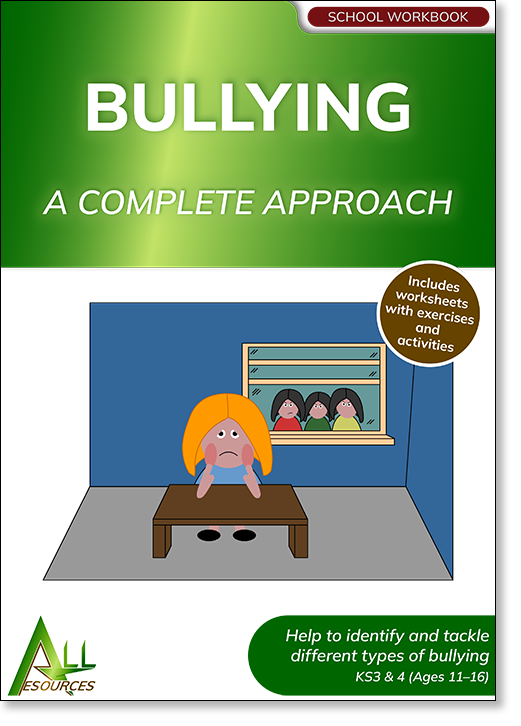
Bullying — A Complete Approach
Contains hints and tips for teachers, parents and young people to enable them to identify and tackle bullying.
- Age range: 12 years and upwards
- Category: Schools
- Published: 1999
- Last revised: 2022
- Pages: 94
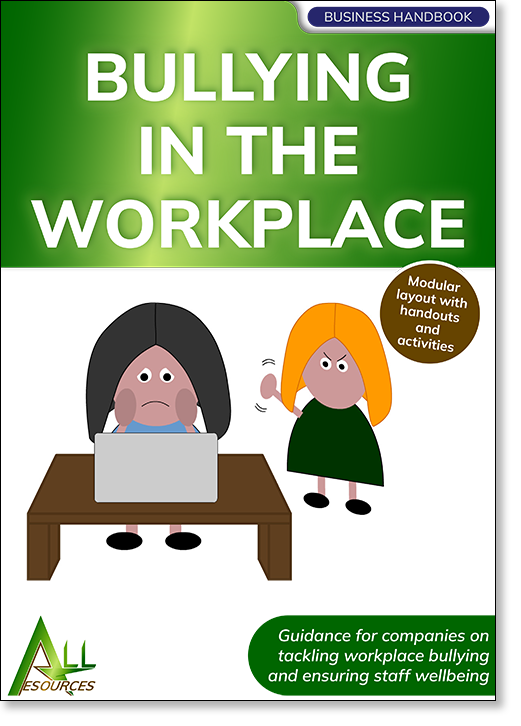
Bullying in the Workplace
This pack provides guidance for companies on tackling workplace bullying, supporting the targets of bullying and ensuring the wellbeing of staff.
- Category: Business
- Published: 2020
- Last revised: 2022
- Pages: 50
Bullying Lesson Plans
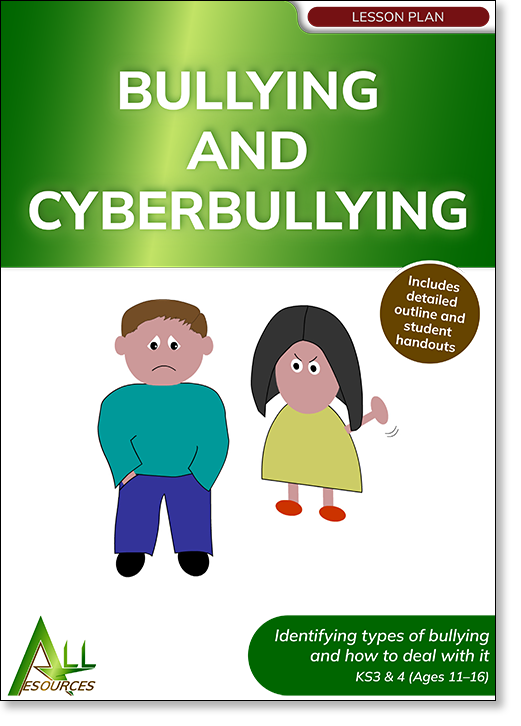
Bullying and Cyberbullying
This lesson plan covers how to deal with bullying and cyberbullying and contains handouts for the classroom.
- Age range: 12 years and upwards
- Category: Schools
- Published: 2019
- Last revised: 2021
- Pages: 15
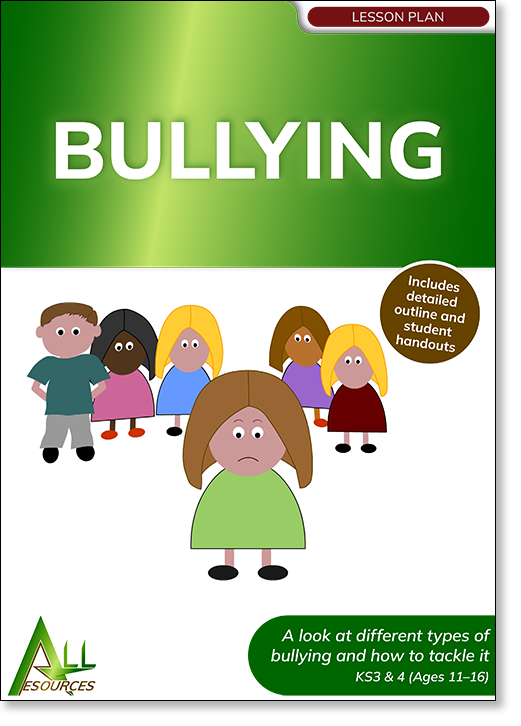
Bullying
This covers bullying, the types of bullying, the bully, the target and how to tackle bullying.
- Age range: 12 years and upwards
- Category: Schools
- Published: 2019
- Last revised: 2021
- Pages: 13
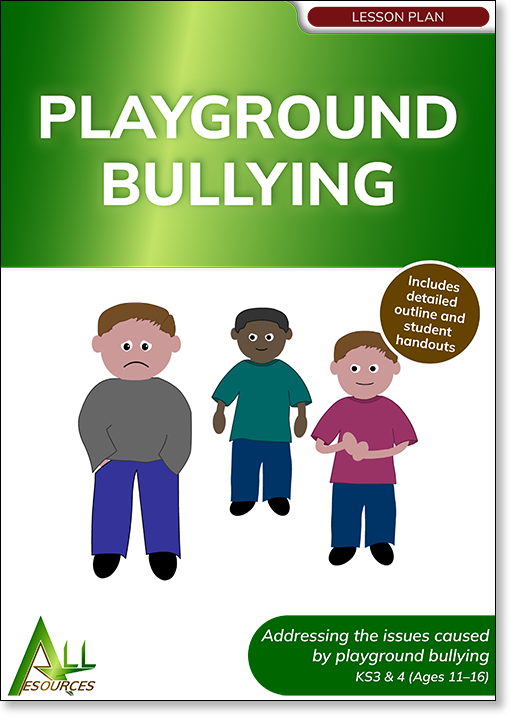
Playground Bullying
A lesson plan on playground bullying, the issues caused and addressing the topic.
- Age range: 12 years and upwards
- Category: Schools
- Published: 2022
- Pages: 17
Free Bullying Resources
Anti-Bullying Policy For Workplaces
A free template to help you develop your own anti-bullying policy for your workplace.
- Category: Business
- Pages: 8
Free Download
Anti-Bullying Policy For Schools
A free template to help you develop your own anti-bullying policy for your school.
- Category: Schools
- Pages: 8
Free Download
Targets of Bullying
This free download covers what a bully is and the targets of bullying. See our resource pack 'Bullying — A Complete Approach' for a more comprehensive discussion on bullying, including worksheets, activities and lessons.
- Category: Schools
- Pages: 6
Free Download