
 Log In
 Register



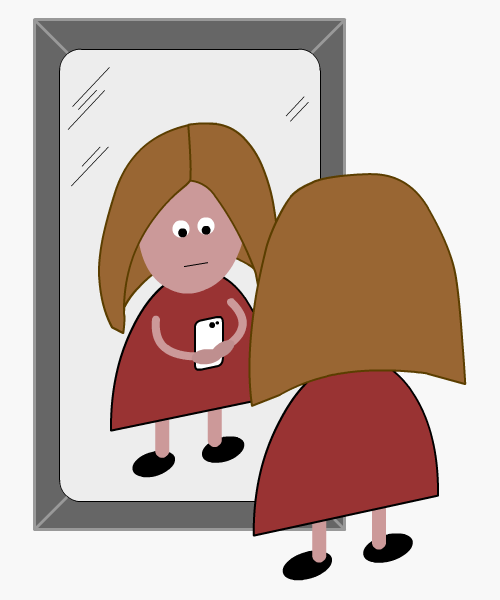
Angle your smartphone, strike a flattering pose, eyes wide, cheekbones sucked in and snap! Hashtag your byline and upload to your social media feed. Voila, your selfie is visible for all to see!
Self-portraits, or selfies, is the hugely popular phenomenon of recent times. The trend made popular by modern icons like Kim Kardashian and Justin Beiber has evolved on a huge level and really came to the public’s attention with Ellen DeGeneres’ photo at the Oscars ceremony.
Some selfies are humourous… taken in jest; others support charitable causes, such as the recent cancer awareness selfies. However, the possible side-effects of this constant self-posing are growing.
Psychological Issues of Constant Social Posting
The message many are sending out is that acceptance by peers is geared on the physical appearance and how a person looks on the outside. This is also true of the perception of people’s lives through images and videos.
The common opinion of many psychologists is that people who regularly post selfies struggle with low self-esteem. The obsession is to see how many likes or comments a selfie can get.
Seeking Attention and Approval
The self-gratification of having people approve a picture seems to be the motivation. It goes hand-in-hand with the constant updating of statuses or the obsession with posting a certain amount of times a day.
It’s often the case that those who seem to be living the life, so to speak, are in fact lonely and craving the attention that they only seem to get through social media.
The all too common practice is that youths spend more time taking selfies and updating statuses than they do enjoying their time with friends or at social occasions. The constant craving for attention or acknowledgement from peers can lead to an unhealthy obsession.
The selfie phenomenon shows no signs of slowing down. While celebrities fuel the fire with constant pictures, many strive to keep up the appearance of living similar fun-filled lives. All too often, the opposite is the case.
Low self-esteem, depression and loneliness can be the reality of those who feel the need to make themselves out to be something they are not.
Self-Esteem Resources
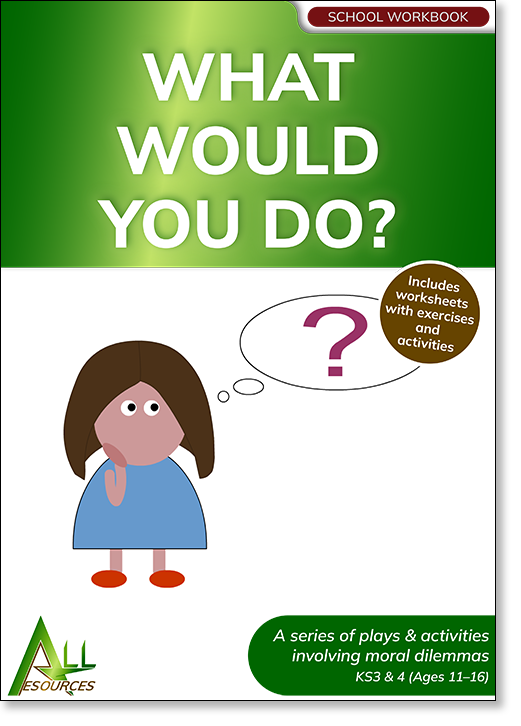
What Would You Do?
A series of plays involving a moral dilemma followed by activities to encourage discussion and further investigation.
- Age range: 12 years and upwards
- Category: Schools
- Published: 1999
- Last revised: 2022
- Pages: 46
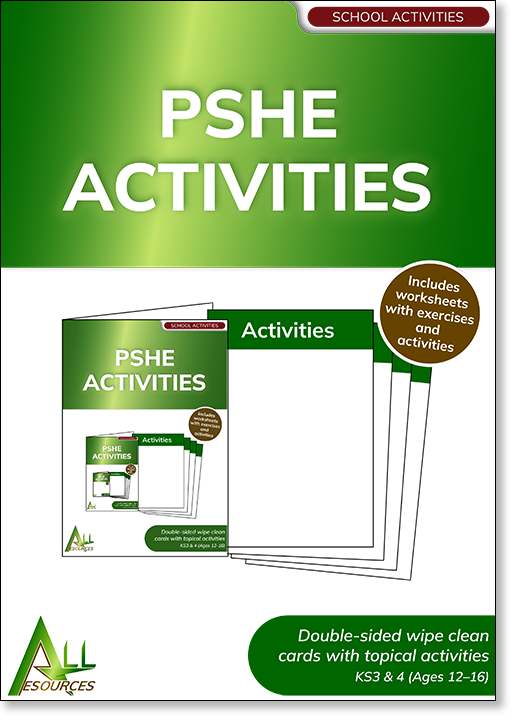
PSHE Activities
A set of activities and topics for discussion including alcohol & drugs, gender issues, bullying, depression and self-esteem.
- Age range: 12 years and upwards
- Category: Schools
- Published: 2014
- Last revised: 2021
- Pages: 25
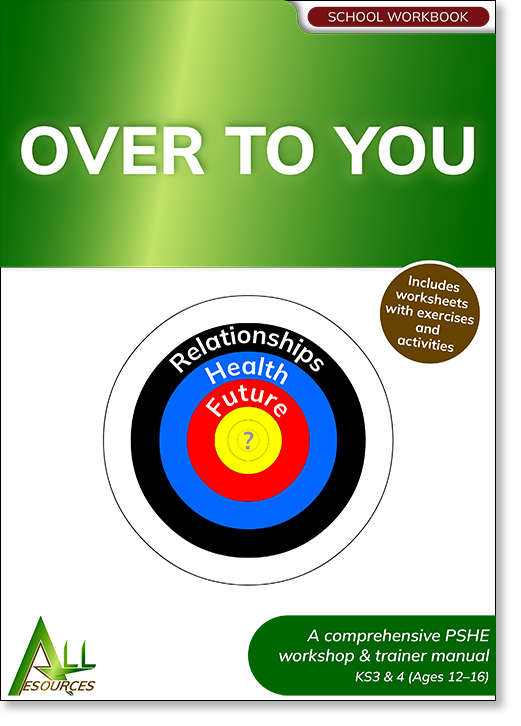
Over to You
A valuable PSHE workshop covering self-esteem, motivation, confidence, assertiveness skills, self-awareness and other topics. Contains a comprehensive trainer manual, worksheets, presentation sheets and infosheets.
- Age range: 12 years and upwards
- Category: Schools
- Published: 2020
- Last revised: 2022
- Pages: 190