
 Log In
 Register



What is Energy Poverty?
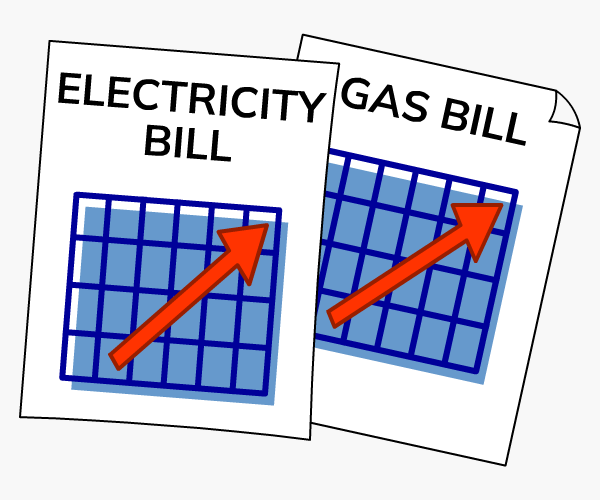
Energy poverty, also known as heating poverty, has become a major problem in recent years. The cost of living crisis has meant that many people are having to choose between ‘heating or eating’. They can either spend money on food or pay for gas/electricity, but not both.
This issue has been largely driven by the huge increase in the cost of energy. In a previous article, we address fuel poverty in more detail.
Warm Hubs
As household bills continue to rise, there has been an increase in the number of food banks in towns and cities. In the same way, because of the rising cost of energy, there has also been a rise in the number of ‘warm hubs’ where people go to keep warm.
These hubs include a variety of public places such as libraries, shopping malls, community centres and cafes/restaurants. People go to these warm hubs because they can’t afford to heat their homes.
Prepayment Meters
With the price of gas and electricity continuing to increase, energy companies have looked for ways to ensure they are paid on time. Many people use a direct debit system to pay for their energy supply. However, those who are struggling financially have difficulty with this system which has led to an increase in the number of prepay meters being installed in people’s homes.
The downside is that the cost of energy for prepay meters is higher than it is for other customers. There is also the risk that, if a customer runs out of credit, their supply is cut off.
Government Energy Credit
The governments in the UK and Ireland introduced schemes to help people cope with high energy prices. This takes the form of credits paid directly to people’s electricity accounts to help cover the high cost of extremely high electricity bills.
Unfortunately, with the continued rise in energy prices, this often covers the bare minimum. Many people are already in debt with their energy suppliers, and this includes those in work with relatively good wages. The situation is becoming increasingly dire for many in society.
How to Save Money on Energy Bills
There are some things that people can do to keep energy costs down. Here are some tips to reduce energy bills:
Electric Blankets
Use heated throws on couches and heated blankets in bed. They are not costly to run and can really help people feel warm and cosy.
Heating Timers
Control your heating with a timer. Turn your heating on at specific times such as first thing in the morning and late afternoon to warm the house and heat the water. This will help you cope with energy price increases.
Turn the heating off if the house is empty during the day — there is no point heating an empty house if the family is out at school or work all day.
Set the heating to come on 30 minutes or so before you arrive home each day. Only heat the rooms you are using. Heating the whole house if everyone is in the living room is wasteful. Turn the radiators off in rooms that are not being used to save money on energy.
Draught Excluders
Use draught excluders on all doors and use curtains on all windows to keep draughts out. You can also buy window and door strips to block and seal gaps.
Clothing
Invest in thermal underwear. Also, layer up to keep warm. Wearing three or four thin layers rather than one thick one is more beneficial. The air is trapped between the layers and is heated by your body, which will help keep you warm.
Minimise Wasted Heat
If you have used the oven to cook something, leave the oven door open afterwards, as long it is safe to do so. This prevents wasted heat and the oven will heat the kitchen through.
Charitable Help and Advice
If you are struggling with energy costs, there are charities you can contact for help:
UK
National Energy Action:
NEA helpline: 0800 304 7159
Website: https://www.nea.org.uk
Citizens Advice UK:
Citizens Advice helpline (England): 0800 144 8848
Citizens Advice helpline (Wales): 0800 702 2020
Website: https://www.citizensadvice.org.uk
Ireland
St Vincent De Paul:
St Vincent De Paul helpline: +353 1 884 8200
Website: https://www.svp.ie
Citizens Information:
Citizens Information helpline: 0818 07 4000
Website: https://www.citizensinformation.ie