
 Log In
 Register



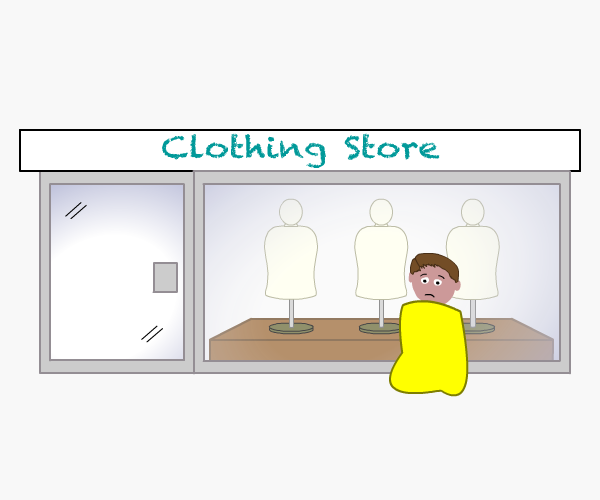
The terms ‘homeless’ and ‘temporary housing’ are becoming increasingly commonplace. The amount of people and families who have no permanent place to live and who are on a waiting list for housing (or counting down the days until they are homeless) is a major problem.
This blog will examine and discuss the housing crisis in more detail and ask what is being done about it.
What Are the Main Types of Homelessness?
The four types of homelessness are:
- Rough sleeping
- Statutory homelessness
- Hidden homelessness
- Those at risk of homelessness
The figures for rough sleepers are often times hard to distinguish, however Homeless Link reported in February 2021 that Government figures showed that 2688 people were estimated to be sleeping rough on any single night in England.
Statutory homelessness is the term that covers the majority of those in the homeless categories. Basically, those who are classed as statutory homeless meet the criteria of the Homelessness Act 2002. The local authorities have a legal duty to provide those meeting the criteria with housing.
There are also the hidden homeless. These people do not qualify for help for a number of reasons. For example, immigrants or individuals who are not classed as ‘in need’ or ‘vulnerable’ fall into this category.
The last category is those who are at risk of homelessness — they live with the constant fear that they may lose their home.
Why Do People Become Homeless?
The reasons for homelessness vary. Some of these reasons include: lack of affordable housing, social exclusion, physical or mental health issues, or simply because they cannot afford the high cost of rent.
Homelessness Stats in Ireland
The temporary housing crisis is regularly in the news as the situation continues to escalate. Focus Ireland reported that in the last week of January 2021, 8,313 people in Ireland were homeless. This figure includes adults and children. 966 families were in emergency housing; 2326 of these were children.
Homelessness Stats in England
Shelter, England reported in December 2019 that 280,000 people in England were homeless. This includes thousands of families trapped in emergency B&Bs and hostels which are often cramped and in bad condition.
The crisis in the private renting sector is the main cause for many families’ homeless status. A great deal of these families are on low incomes or social welfare. Countless families are homeless because rent supplements fail to cover the high costs of private rents.
Can Homelessness Be Prevented?
Both Ireland and the UK have a seriously inadequate supply of affordable housing and a lack of council housing.
Social housing is the key to preventing homelessness. As well as facilities for those in vulnerable situations, governments and local authorities need to do more to supply, build and provide affordable housing.
More needs to be done to reduce extortionate private rents. Housing is a basic human right and no individual should be without an adequate roof over their head.
Help and Advice for Homelessness
Shelter England:
Shelter England free helpline: 0808 800 4444
Website: https://england.shelter.org.uk
Shelter Scotland:
Shelter Scotland free helpline: 0808 800 4444
Website: https://scotland.shelter.org.uk
Shelter Wales:
Shelter Cymru free helpline: 0800 0 495 495
Website: https://sheltercymru.org.uk
Housing Rights (Northern Ireland):
Housing Rights helpline: 028 9024 5640
Website: https://www.housingrights.org.uk
Focus Ireland:
Focus Ireland helpline: 01 881 5900
Email: help@focusireland.ie
Website: https://www.focusireland.ie
Homeless Link:
Email: info@homelesslink.org.uk
Website: https://www.homeless.org.uk