
 Log In
 Register



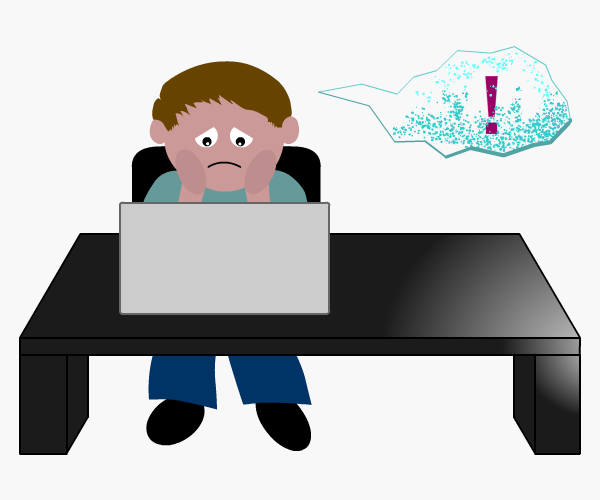
In recent years, the rise in teenage suicides has been shocking. Although the role social media plays in suicides is not totally transparent or clear-cut, recent studies have linked a rise in rates of anxiety and depression in teenagers to their use of social media.
Social Media Influence on Teenagers
Teens frequently find it hard to ‘fit in’ with their peers as well as suffering from low self-esteem. It is becoming increasingly more difficult for young people to fit the stereotypical mould that is portrayed through social media, whether by their online peers, reality stars or famous celebrities from the world of sport or entertainment.
Numerous social media posts depict a glamorous, fun-filled lifestyle with posters looking fit and stylish, having a never-ending series of adventures with their friends and family. However, this isn’t always a true depiction of reality. Many posts have been carefully staged and edited — completely manipulated until they look the way the poster intends.
The Alarming Increase in Teenage Suicides and Social Media Use
While social media alone cannot be blamed for the increase in youth suicide, recent studies have confirmed that there was a dramatic increase in completed teen suicides between the years 2010–2015.
This timeline coincides with the increased availability and use of social media platforms and the number of teenagers owning smartphones. This suicide increase is particularly alarming when we consider that until this period the suicide rates had been declining for almost two decades.
Cyberbullying
Cyberbullying is also a factor behind the increase in suicide rates. In the past a youth who was experiencing bullying at school or on the street could get some relief at home, whereas now social media allows them to be accessible 24/7.
Many bullies use social media to continue bullying their targets at all times which makes the target feel totally overwhelmed and trapped. These feelings can develop into suicidal thoughts which can in turn lead to an attempted suicide.
Help Youths with Negative Online Experiences
Parents, guardians and teachers must be extra vigilant and take action if they believe a youth is experiencing bullying, anxiety or depression linked to social media.
Encouraging a healthy relationship with social media is the first step. Make sure young people understand that not everything posted online is true. Explain that many seemingly perfect posts are merely repeated attempts at taking a perfect selfie.
Additionally, realising the fact that the poster may have low self-esteem can help youngsters have a more realistic outlook on life. Limiting screen time and a digital detox can also be beneficial.
Social media can be useful and informative, but it is also prudent to be aware of the negative side of the internet.
In our next article we will look at the link between antidepressants and suicidal thoughts.
Suicide Resources
Suicide Awareness and Prevention
Covers suicide from a variety of perspectives, the reasons behind suicide, the groups most at risk and the warning signs.
- Category: General
- Published: 2022
- Pages: 61
Suicide is Never the Answer
Understand the reasons behind suicidal feelings in young people and recognise the signs to help prevent this tragedy.
- Age range: 12 years and upwards
- Category: Schools
- Published: 1999
- Last revised: 2022
- Pages: 44
Suicide Lesson Plans
Suicide Prevention
A lesson plan designed to promote suicide awareness and prevention.
- Age range: 12 years and upwards
- Category: Schools
- Published: 2022
- Pages: 21
Free Mental Health Resources
Depression
How can someone tell if they are suffering with depression? This free resource seeks to find out.
- Category: Schools
- Pages: 8
Free Download
Loneliness
What is loneliness and what causes people to feel lonely? This free resource explores these questions.
- Category: Schools
- Pages: 6
Free Download