
 Log In
 Register


The World Health Organization has been stressing the importance of deinstitutionalized mental health care for a while now. They have called on countries to adopt new models of service and mental health policy, thereby improving the overall standard of mental health treatment.
In this article we will examine what deinstitutionalization of mental health care is, reasons why it should be seriously considered and the recommended ways to implement changes to mental healthcare.
What is Deinstitutionalization of Mental Health Care?
In a nutshell, it is the process of moving current models of mental health treatment and support from psychiatric institutions over to community-based services. Worldwide emphasis on this shift has been developing momentum for quite a few years, with the ‘Trieste Model’ in Italy taking centre stage.
The ‘Trieste Model’
The Trieste model has been globally influential since its inception in the 1970s. After psychiatric hospital closures in Trieste, Italy, the model was passed in law in 1978, promoting community-based mental health services. It is regarded as one of the best mental health models of practice in the world, gaining widespread recognition, including the support from the WHO.
Why Deinstitutionalize?
Quality of care and availability of mental health services are the fundamental reasons for deinstitutionalization. Too many people around the world cannot afford or even access mental health care that is appropriate for their condition. There are also extensive reports of human rights violations and poor treatment within mental health institutions, ranging from poor living conditions and overcrowding, to lack of resources, ineffective treatment, segregation and discrimination.
The WHO have stated: “To reduce suffering, uphold human rights, improve access and quality, and move towards universal health coverage, we must reimagine mental health systems from the ground up. This means building comprehensive, community-based networks of mental health services and supports for people of all ages”.
It is also a right for ‘people with psychosocial disabilities to live independently in their communities’, in accordance with The Convention on the Rights of Persons with Disabilities.
Community-based mental health care needs to be:
- Available
- Affordable
- Accessible
- Equitable
- Free from stigma and discrimination
- An advancement on current methods to improve overall well-being
- Beneficial for society as well as individuals
How Can Deinstitutionalization Be Actioned
Creating communities with beneficial mental health services requires education, professionalism and resources that are central to provide the care necessary. Transitioning from institutions takes careful planning, collaboration, funding and continual monitoring and evaluation.
In 2014, the WHO conducted a survey of 78 mental health experts from 42 countries for the purpose of discovering useful measures that can be taken for community-based mental health services. A key insight gained was the emphasis most of the respondents put on political support and timing.
The main considerations for community-based implementation include:
- Full commitment from health professionals.
- Collaboration with caregivers and people with lived experience.
- Financial support and funding.
- Maintaining dedicated mental health centres and mobile teams.
- Ensuring continuity of care.
- Cooperating with law enforcement, educators and community members.
- Integrating mental health into general health care, hospitals and clinics.
- Providing mental health services in schools, workplaces and social service departments.
- Meeting the needs of all cases, no matter how diverse.
Mental Health Resources
Suicide Awareness and Prevention
Covers suicide from a variety of perspectives, the reasons behind suicide, the groups most at risk and the warning signs.
- Category: General
- Published: 2022
- Pages: 61

Price: £10.99 Now: £5.49
Suicide is Never the Answer
Understand the reasons behind suicidal feelings in young people and recognise the signs to help prevent this tragedy.
- Age range: 12 years and upwards
- Category: Schools
- Published: 1999
- Last revised: 2022
- Pages: 44
Price: £8.99 Now: £4.49
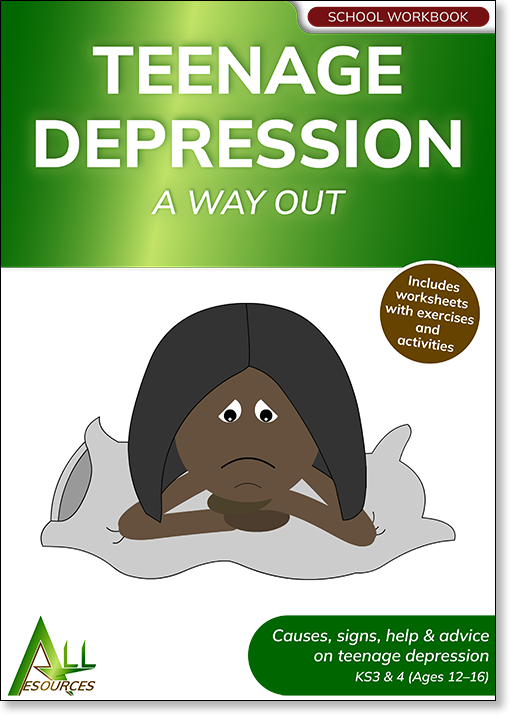
Teenage Depression — A Way Out
Tackles the issue of depression including causes and signs that parents and teachers can look out for.
- Age range: 12 years and upwards
- Category: Schools
- Published: 1999
- Last revised: 2022
- Pages: 87
Price: £10.99 Now: £5.49
Mental Health Lesson Plans

Exam Stress
This lesson plan provides information and advice on dealing with exam stress.
- Age range: 12
- Category: Schools
- Published: 2022
- Pages: 17
Price: £2.99 Now: £1.49
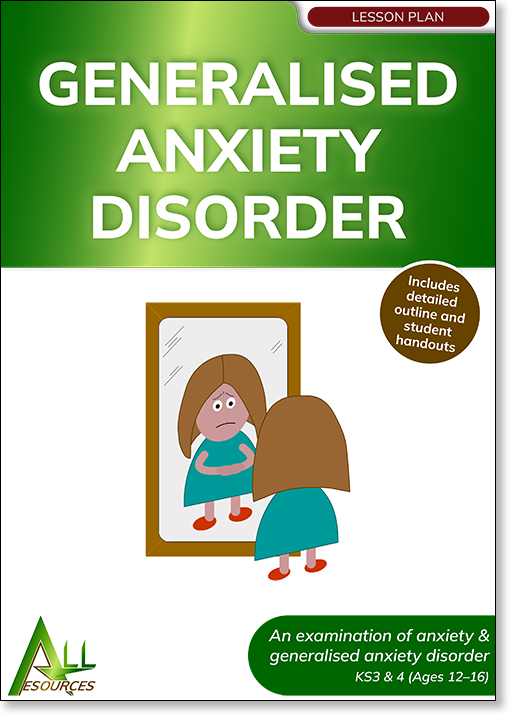
Generalised Anxiety Disorder
A lesson plan examining teenage anxiety and generalised anxiety disorder — a more extreme form of anxiety.
- Age range: 12 years and upwards
- Category: Schools
- Published: 2022
- Pages: 14
Price: £2.99 Now: £1.49
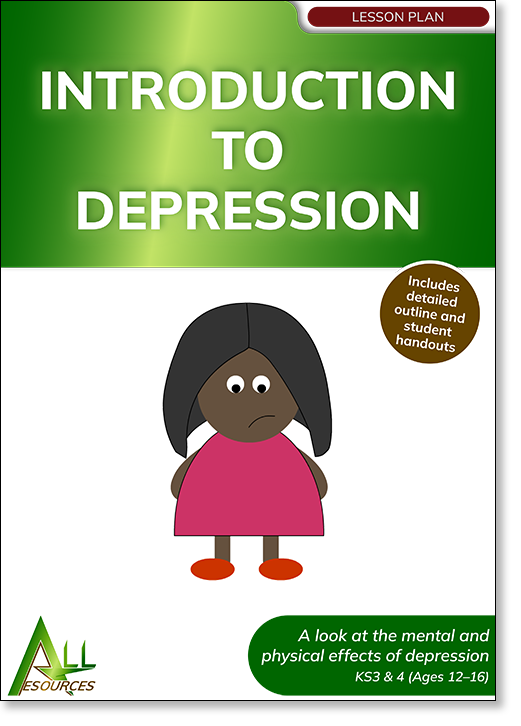
Introduction to Depression
This lesson plan introduces depression and the way it affects us physically and mentally.
- Age range: 12 years and upwards
- Category: Schools
- Published: 2022
- Pages: 14
Price: £2.99 Now: £1.49
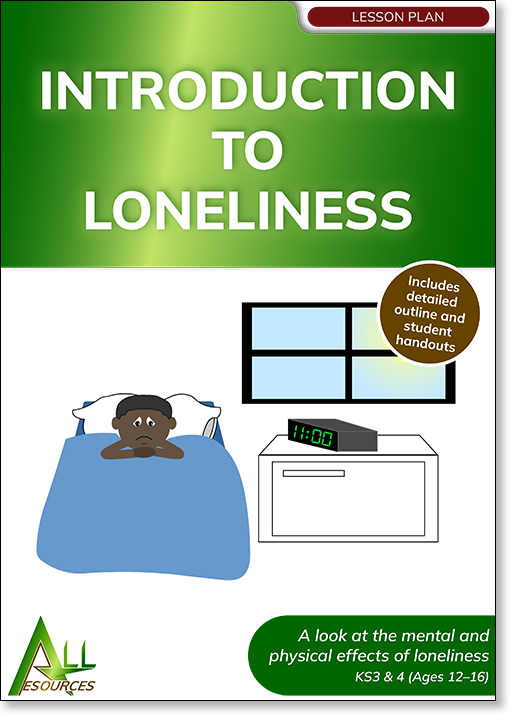
Introduction to Loneliness
An introduction to loneliness and the way it affects our physical and mental health.
- Age range: 12 years and upwards
- Category: Schools
- Published: 2022
- Pages: 15
Price: £2.99 Now: £1.49
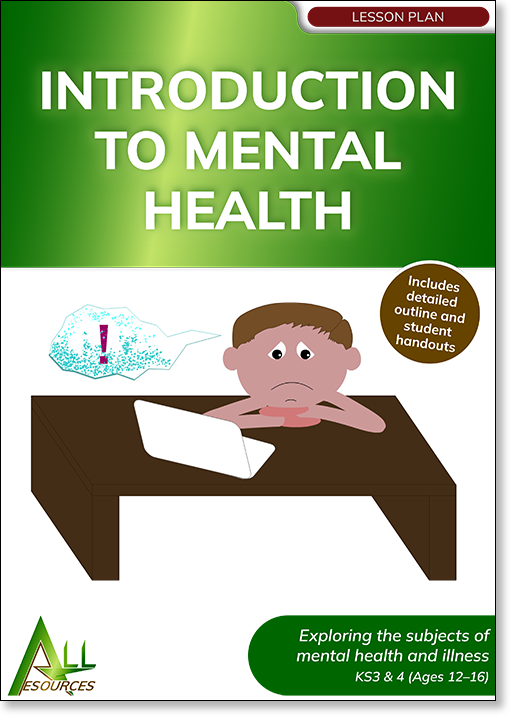
Introduction to Mental Health
This lesson plan introduces the subject of mental health and mental illness.
- Age range: 12 years and upwards
- Category: Schools
- Published: 2022
- Pages: 15
Price: £2.99 Now: £1.49
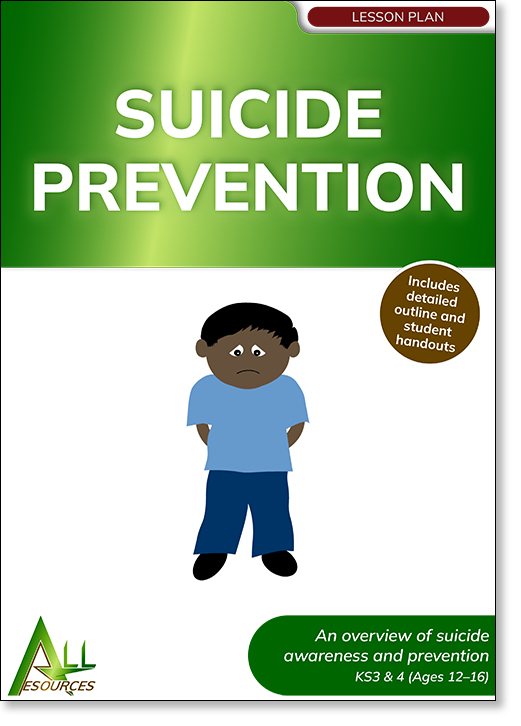
Suicide Prevention
A lesson plan designed to promote suicide awareness and prevention.
- Age range: 12 years and upwards
- Category: Schools
- Published: 2022
- Pages: 21
Price: £2.99 Now: £1.49
Free Mental Health Resources
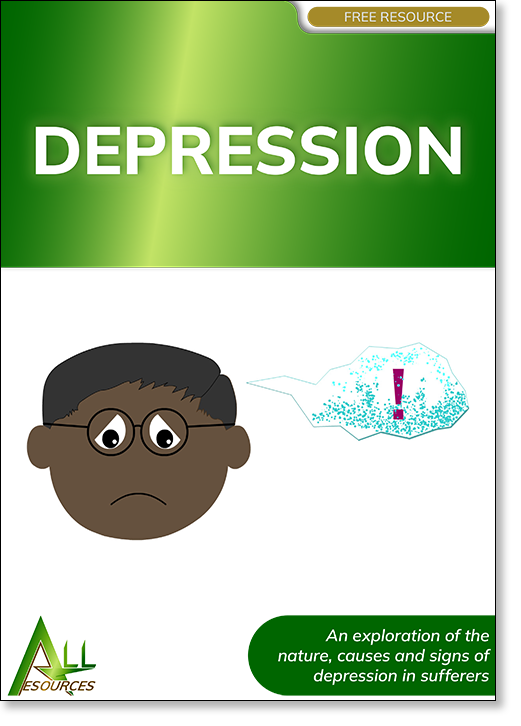
Depression
How can someone tell if they are suffering with depression? This free resource seeks to find out.
- Category: Schools
- Pages: 8
Free Download
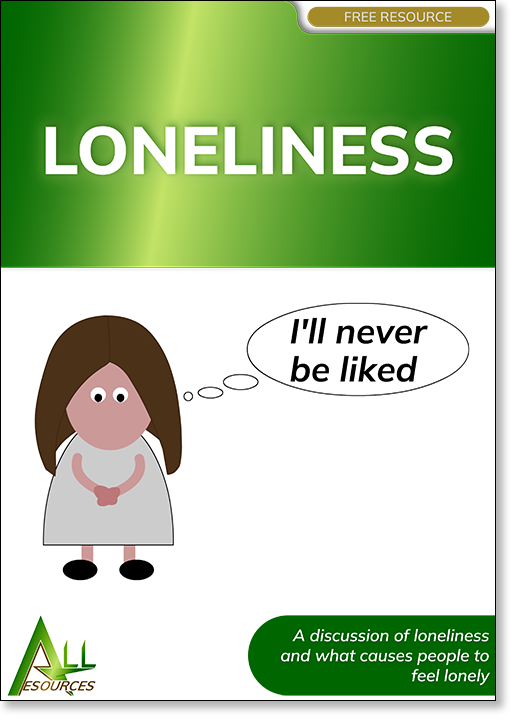
Loneliness
What is loneliness and what causes people to feel lonely? This free resource explores these questions.
- Category: Schools
- Pages: 6
Free Download